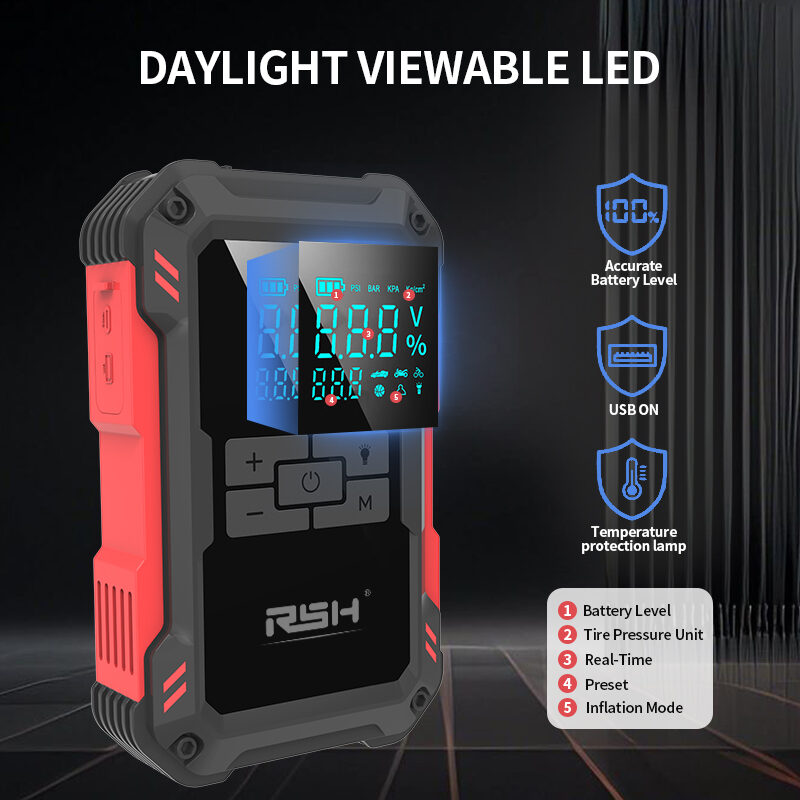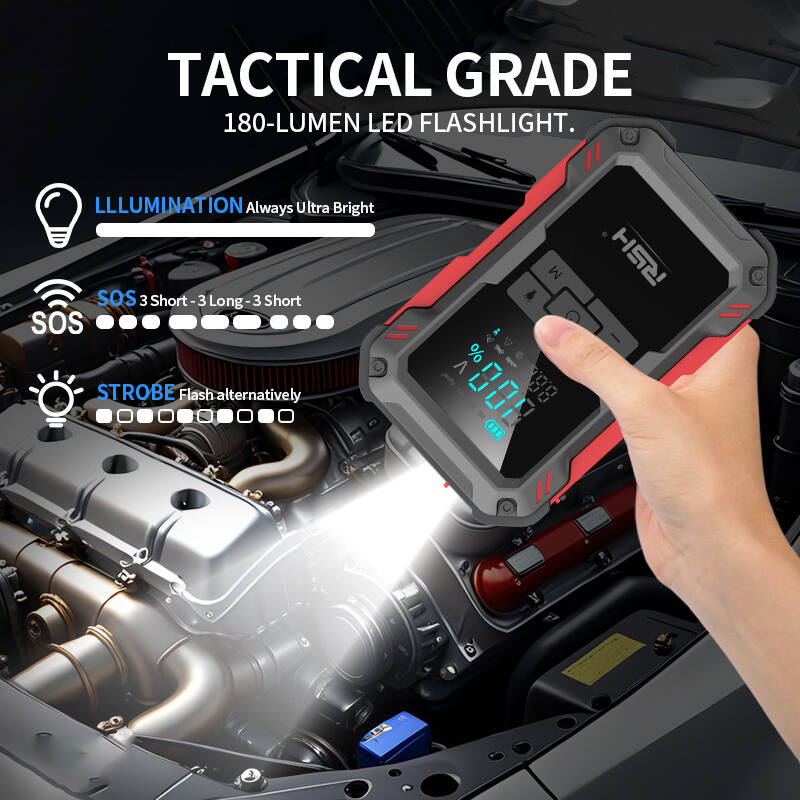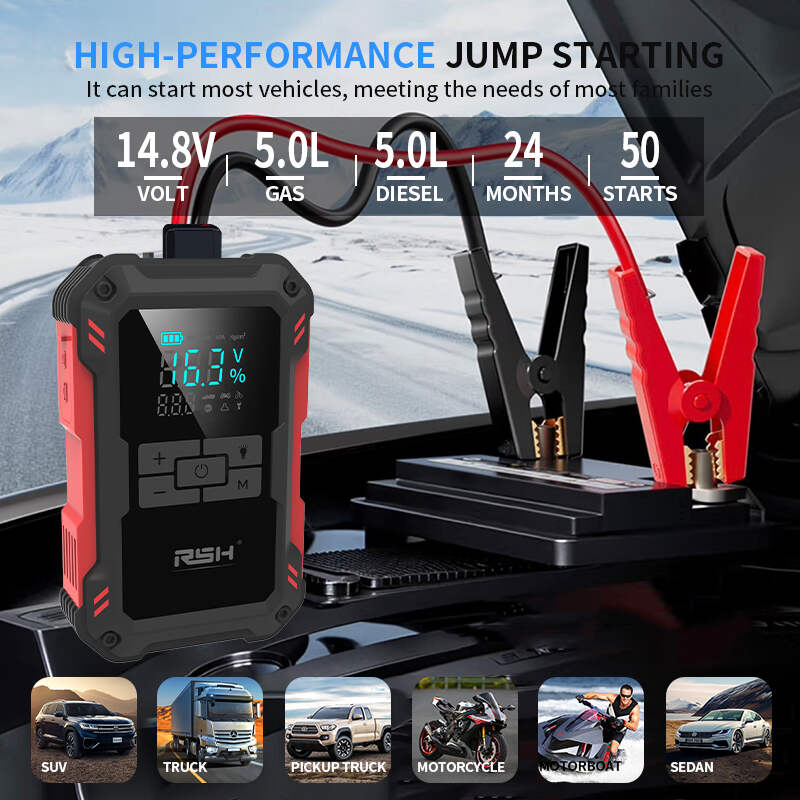


In a volatile world where blackouts can come out of the blue, it’s not an indulgence but a necessity to have a reliable emergency power solution. Whether through natural disasters, equipment malfunction, or sudden grid problems, being able to power through emergencies is the difference between safety and distress. This article discusses the need, types, and characteristics of emergency power solutions based on the best products on the market.
Understanding Emergency Power Solutions
Emergency power solutions are mechanisms that supply power in the event of a loss of electricity. They can vary from small, portable generators to big stationary backup systems. They provide a way for necessary appliances and systems to stay on and keep your home, business, and peace of mind intact.
Why You Need an Emergency Power Supply
- Unpredictable Weather Conditions: Hurricanes, snowstorms, and other extreme weather conditions can cause extended power failures. An emergency power supply keeps you safe and comfortable no matter what the outside conditions are.
- Essential Services: For most homes, losing electricity means losing heat, refrigeration, and communication. Emergency power supplies keep essential services functioning, avoiding food spoilage and ensuring safety.
- Business Continuity: For companies, outages can translate into major dollars lost. Backup power solutions enable business continuity, data protection, and customer satisfaction.
- Peace of Mind: Having a backup source of power at your fingertips can reduce stress during storms and power emergencies, giving you time to concentrate on what really counts—your loved ones and your safety.
Types of Emergency Power Supplies
- Portable Generators: These convenient units are ideal for temporary use and can run vital appliances such as refrigerators, lights, and medical equipment. They are commonly powered by gasoline, propane, or diesel fuel.
- Inverter Generators: With their quieter performance and cleaner output, inverter generators are perfect for delicate electronics. They are light in weight and easy to transport, making them ideal for camping and tailgating, as well as power outages.
- Standby Generators: Automatically engaged in case of a power outage, standby generators are installed permanently outside your home. They are connected directly to your electrical system and can supply electricity to your whole house, delivering uninterrupted energy without human intervention.
- Solar Power Systems: With growing popularity of renewable energy, solar power systems with battery backup are becoming feasible emergency power options. They capture sunlight and store energy to use it later, providing a clean solution to keep the power on during outages.
- Uninterruptible Power Supplies (UPS): Generally applied to computers and critical devices, UPS systems offer instant backup power. They allow devices to keep working smoothly in the event of a brief outage or give time to save work and safely shut down.
Key Features to Keep in Mind
When choosing an emergency power supply, keep the following features in mind:
- Power Output: Know how much wattage you require to power critical devices. Add up the total wattage of appliances you want to power at the same time.
- Fuel Type: Various generators operate on various fuel types. Select one that suits your choice and availability—gasoline, propane, diesel, or solar power.
- Run Time: Check how long the generator will run on a full tank or charge. Consider models with longer run times to meet extended power outages.
- Portability: If you’ll be moving your generator often, look at its weight and shape. Portable generators need to be able to roll on wheels and have handles to facilitate easy transport.
- Noise Level: The noise level varies with some units being very noisy. Opt for quieter units if you’ll be using them at home.
- Safety Features: Find a unit with basic safety features like automatic shutoff, GFCIs, and carbon monoxide sensors.
Maintenance Tips for Your Emergency Power Supply
To keep your emergency power supply available when you need it, use these maintenance tips:
- . Regular Testing: Test your generator each month to verify it operates properly. Also, helps you get used to using it.
- Fuel Management: Keep fresh fuel and store it correctly. Use fuel stabilizers to extend shelf life.
- Cleanliness: Maintain your generator in a clean and debris-free state. Check and replace air filters and spark plugs according to need.
- Battery Care: For battery-powered systems, keep batteries charged and serviced in accordance with manufacturer guidelines.
- Professional Servicing: For standby generators, have an annual service check by a professional to make sure it is in top working condition.
Conclusion
To invest in an emergency power supply is a precautionary measure to provide safety, comfort, and continuity during uncertainty. With knowledge of different types of power solutions and their most important features, you can make a well-informed decision that best suits your requirements. When the lights are out, a trusted source of power can be the difference-maker. Be prepared for anything.